A Journey into the Wild World of Animal Digestion.
Have you ever wondered what happens to your food after you swallow it? Or how does a cow digest grass? Prepare for a thrilling voyage into the fascinating world of animal feeding and digestion!
Why do we need food?
Every living creature need sustenance, just like a car does. It gives us energy to develop, heal our bodies, and generally keep things going well. However, before we can use this energy, we must first break the meal down into smaller bits, which is where digestion comes in.
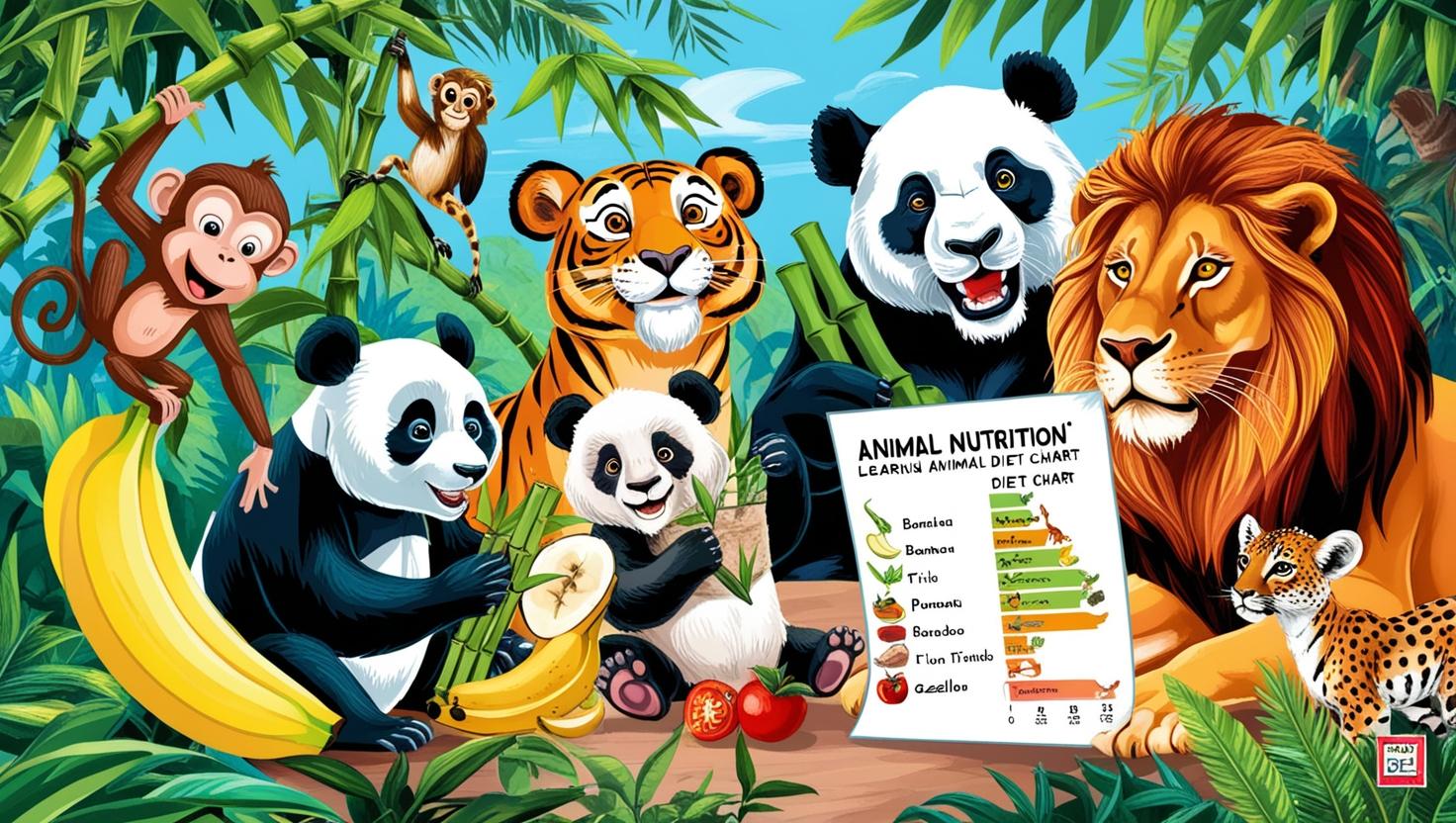
Different animals have different diets.
Animals have some odd ways of acquiring their food. Imagine becoming a python and devouring a whole gazelle! Or a hummingbird drinking nectar from a like a tiny, feathered straw. Even the way we eat is different from how a cow munches on grass.
The human digestive system : A food processing powerhouse.
Let us track a mouthful of your favorite snack as it passes through your digestive system:
Mouth:Your teeth work as tiny crushers, reducing food to smaller pieces. Saliva mixes in, initiating the digestion process and making it simpler to swallow.
Food Pipe (oesophagus): Think of it like a slide that transports food to your stomach.
Stomach:This muscular bag churns food, combining it with strong acids and digestive secretions to break it down even more.
Small Intestine: Here, your food receives special attention. Liver and pancreatic juices join the celebration, aiding in appropriate digestion. Tiny finger-like projections. called villi absorb the nutrients from your food, sending them into your bloodstream.
Large Intestine:It acts like a sponge, absorbing water and minerals from residual waste.
Rectus and Anus:It's time to say goodbye! Whatever remains becomes crushed and departs your body.
Grass-Eating Wonders: Ruminants
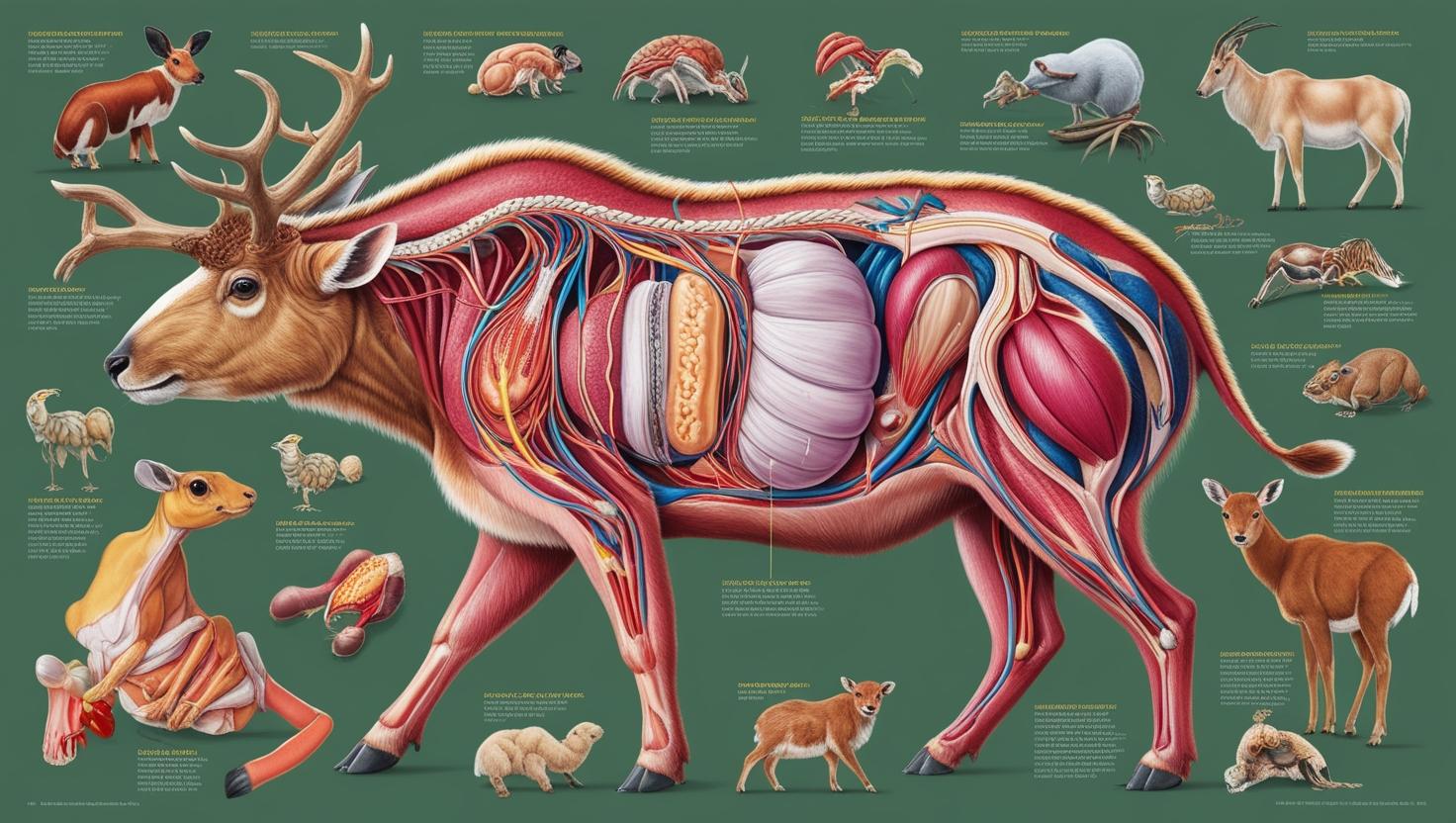
Cows, sheep, and goats have a superpower: they can digest cellulose, the tough material in plants that humans cannot! What's their hidden weapon? A specific stomach region known as the rumen. They swiftly ingest grass and then bring it back up to chew on it again, a process known as "chewing the cud."
Amoeba, the ultimate single-celled foodie.
Even small, single-celled animals like amoebas have to feed! They utilize their "false feet"(pseudopodia) to encircle and ingest food, forming a small bubble called a food vacuole where digestion occurs.
Fun experiments!
Want to see digestion in action? Try the following easy experiments:
Starch Test: Chew on a simple cracker for a few minutes. Notice how it begins to taste sweeter? That's because your saliva converts the starch into sugar!
Dissolving Food: Place a little slice of bread in a glass of water and see what happens after a few hours. You'll notice it begin to break down, much like it does in your stomach.
Key Takeaways
Digestion is a fascinating process that involves breaking down food, absorbing nutrients, and eliminating trash. From the smallest amoeba to the biggest whale, all organisms have distinct means of obtaining the energy they require to thrive. So the next time you eat, take a moment to enjoy the incredible adventure your food is going to travel!