

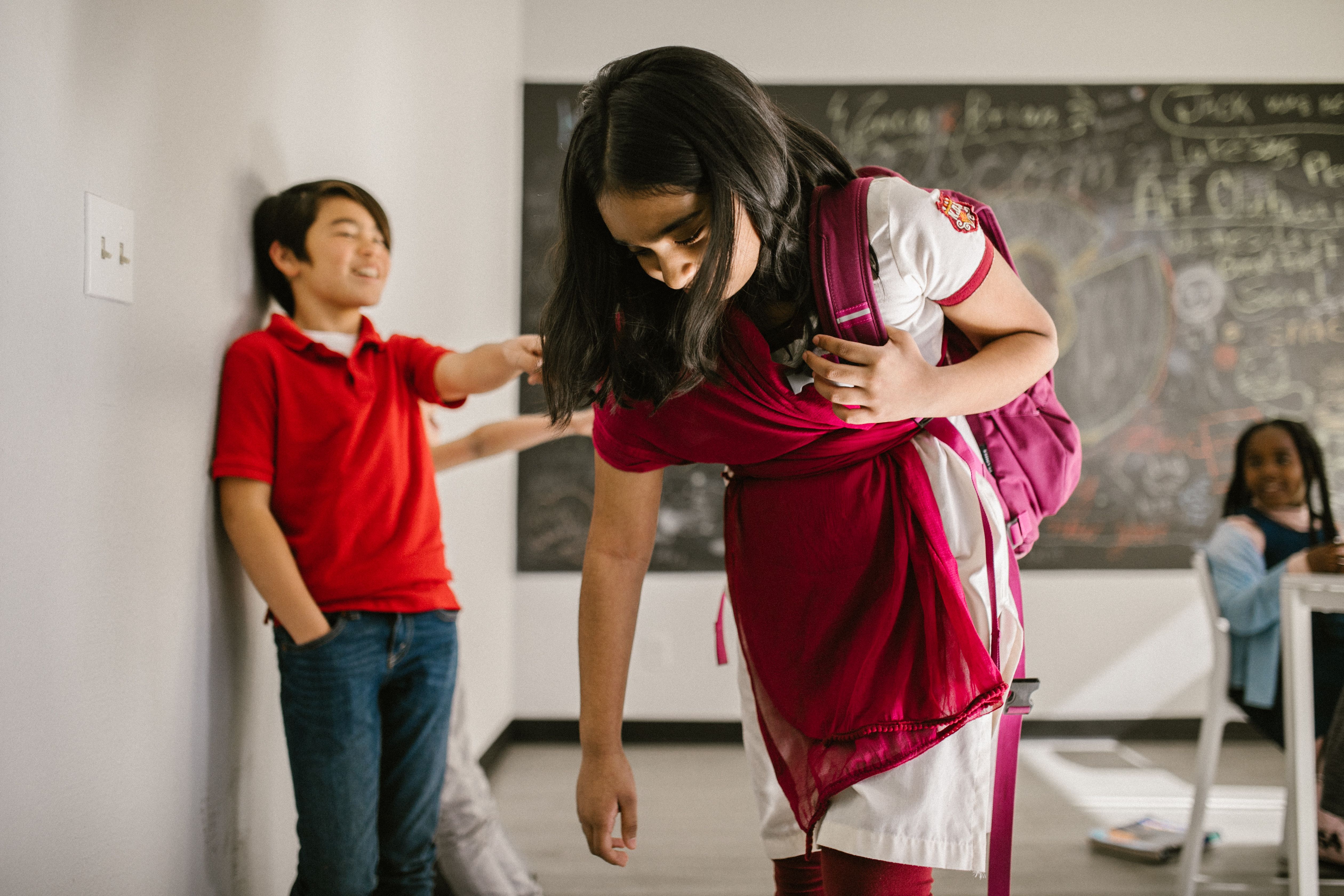
The hardest part of bullying is this: most children who are being bullied never tell anyone. They carry it quietly, and by the time a parent notices, it has often been going on for weeks or months. So the single most useful thing any parent can do is learn to read the quiet signs, and to respond in a way that keeps their child talking. This guide covers both, plus how to work with the school and help a child rebuild their confidence afterward.
Bullying is not “just a part of growing up,” and it is far more common than most families realise. A survey by the child rights organisation CRY found that around 42% of Indian students have faced bullying in school, and an NCERT report found that roughly 60% of students in Classes 6 to 12 experienced bullying at least once in a single academic year. These are not rare cases. This is most of the classroom.
What counts as bullying, and what doesn't
According to a research published in UNESCO Digital Library, not every conflict is bullying, and it helps to know the difference so you neither dismiss a real problem nor over-label ordinary disagreement. Bullying has three features: it is repeated, it is intended to hurt, and there is a power imbalance, one child or group holding some advantage in size, status, or numbers over another. A one-off argument between equals is a fight. The same treatment, again and again, aimed at a child who cannot easily defend themselves, is bullying.
It takes several forms, and the quieter ones are the easiest to miss:
-
Physical: hitting, pushing, damaging belongings.
-
Verbal: name-calling, teasing, threats, mockery.
-
Social: deliberately excluding a child, spreading rumours, turning a group against them. This one leaves no marks and is the most under-reported.
-
Cyber: harassment over messages, social media, or gaming platforms, which follows a child home and never switches off.
-
Discriminatory: targeting a child for their appearance, language, religion, or background.

The quiet signs your child may be bullied
Because most children stay silent, the signs usually show up in behaviour before they ever show up in words. Watch for:
-
A sudden reluctance to go to school, or frequent “stomach aches” and headaches on school mornings that fade by afternoon.
-
A drop in marks or loss of interest in a subject or activity they used to enjoy.
-
Coming home hungry (lunch money or tiffin being taken), or with damaged or missing belongings.
-
Becoming withdrawn, unusually quiet, or irritable, especially after school.
-
Trouble sleeping, or nightmares.
-
Fewer mentions of friends, or a friendship group that has suddenly disappeared.
-
On the phone: becoming anxious or secretive about their device, or upset after using it.
No single sign confirms bullying. But a cluster of them, appearing together and out of character, is worth a gentle, unhurried conversation.
What to say when your child opens up (and what not to)
How a parent reacts in the first conversation often decides whether there is a second one. The instinct to fix it immediately, or to react with anger, can accidentally shut a child down. A few things that keep the door open:
-
Lead with listening, not solving. “That sounds really hard. Tell me more about what happened.” Let them finish before you respond.
-
Believe them, and say so. “I'm glad you told me. This isn't your fault.” Children often stay silent because they fear they won't be believed or will be blamed.
-
Don't promise to keep it secret, but don't hijack it either. “We'll figure out what to do together” reassures them without taking away their sense of control, which bullying has already eroded.
What to avoid: “Just ignore them,” “Why didn't you fight back,” or jumping straight to “I'm calling the school right now.” Each of these, however well-meant, tells a child that opening up leads to being dismissed or losing control of the situation.
How to work with the school
Once you know what's happening, the school is your most important ally, and there is a right way to approach it:
-
Write it down first: Note dates, what happened, who was involved, and any signs you've observed at home. Documentation turns a vague worry into something the school must act on.
-
Have conversations with adults around: Ask for a meeting with the class teacher or counsellor, calmly and factually. You want a partner, not a confrontation, and schools respond better to “here's what I've noticed, can we solve this together” than to accusation.
-
Ask about the school's anti-bullying policy: Since a 2015 CBSE directive, affiliated schools are required to have Anti-Bullying Committees. Ask what steps they will take and by when.
-
Follow up: Recheck in writing after the meeting, and agree on a date to check in. Bullying handled once and forgotten tends to return.
If bullying involves physical harm, threats, or cyber harassment that the school cannot contain, it can be reported to the police under existing law, and screenshots or medical records support the case. That is a serious step, but it exists for a reason, and no parent should feel they have to tolerate that level of harm.

Helping your child recover: rebuilding the confidence bullying takes away
Stopping the bullying is only half the work. The other half is repairing what it damaged, because its deepest harm is not the incident itself, it is what it does to a child's belief in themselves. A bullied child often stops raising their hand, stops speaking up, and starts assuming the worst about how others see them.
Rebuilding that confidence takes time, patience, and small wins. Some of what helps: keeping their routines and friendships that are safe, giving them a space where their voice is heard and valued, and gently rebuilding the habit of speaking up in low-stakes settings before high-stakes ones.
This is one place a supportive learning environment can genuinely help. At Paathshala, classes are one-on-one, which means there is no group to feel judged in front of and a teacher who actually knows the child, notices when their confidence dips, and builds them back up at their own pace. For children whose confidence has taken a knock, that kind of individual attention, and our skill classes in areas like public speaking, can be a quiet, pressure-free way to help a child find their voice again. It is not a fix for bullying, but it can be a real part of a child's recovery.
When to seek professional help
Some children, whether they have been bullied or are doing the bullying, need more support than a parent or school can give. If your child shows lasting changes in mood, talks about hurting themselves, withdraws completely, or the distress does not ease over time, please speak to a qualified child counsellor or mental health professional. This is not a failure of parenting. It is exactly the right thing to do, and early support makes a lasting difference.
Frequently asked questions (FAQs)
1. How do I know if my child is being bullied if they won't tell me?
Watch for a cluster of behaviour changes: reluctance to go to school, a drop in marks, physical complaints on school mornings, withdrawal, or lost belongings. Behaviour usually signals it long before words do.
2. What should I do first if I find out my child is being bullied?
Listen without judgement, reassure them it isn't their fault, and document what's happening. Then approach the school calmly with your notes and ask about their anti-bullying policy and next steps.
3. Is bullying common in Indian schools?
Yes. Surveys by CRY and NCERT suggest that between 42% and 60% of students experience bullying, and much of it goes unreported.
4. Can bullying be reported to the police in India?
Yes. If it involves physical harm, threats, or cyber harassment, it can be reported under existing law. Keep documentation such as screenshots or medical records.
5. How can I help my child get their confidence back after bullying?
Keep their safe routines and friendships, give them spaces where their voice is heard, and rebuild speaking-up in low-pressure settings first. A supportive one-on-one learning environment, and confidence-building skills like public speaking, can help. For lasting distress, involve a professional counsellor.