
What does Democracy mean ?
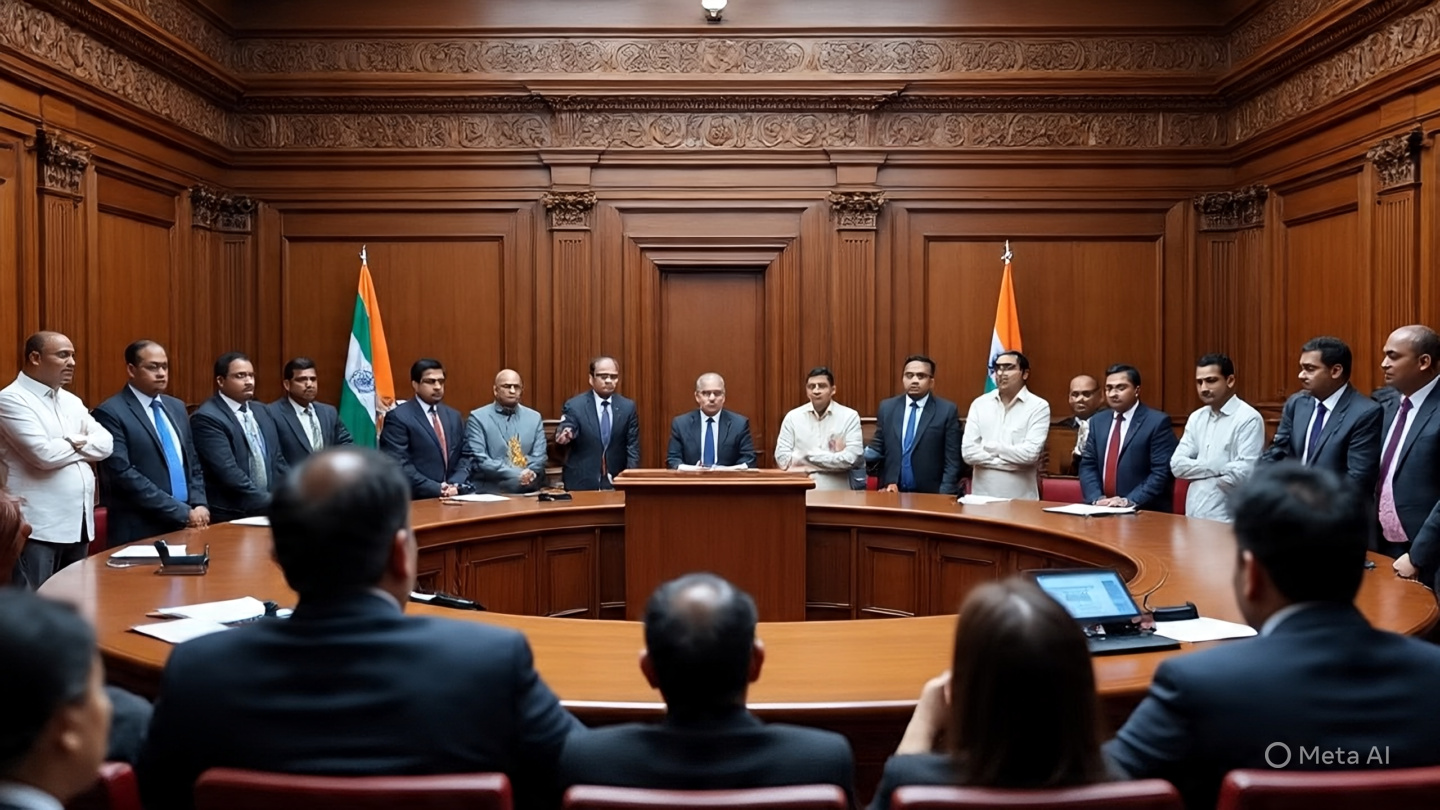
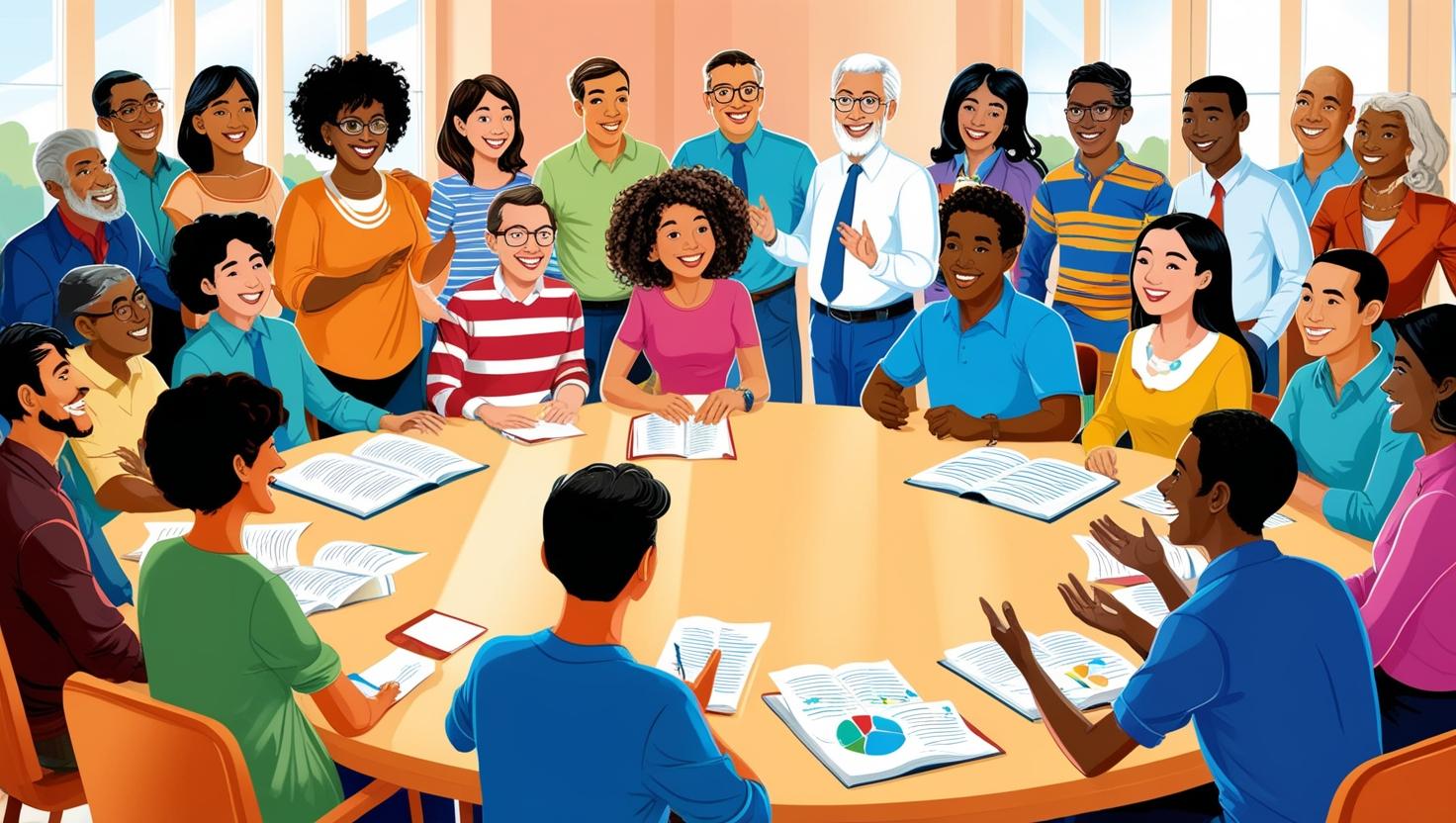
Democracy is a system of governance in which the authority resides with the citizens. It is a structure where individuals possess the authority to select their leaders and impact governmental choices. It's entirely about empowering people to influence the governance of their nation, making certain that everyone possesses equal rights and chances.
Meaning of Democracy
Democracy originates from the Greek terms “demos”(which means people) and“kratos”(which means power). Thus, democracy essentially signifies"authority of the populace."In basic terms, it's a system of governance by the people, for the people.
Essential Characteristics of Democracy
- Fair and Free Elections: In a democratic system, leaders are chosen via regular, just, and unrestricted elections. Each citizen is entitled to vote and share their viewpoint.
- Rule of Law: Democracy guarantees that all individuals, including leaders, are subject to the law. All individuals are treated equally under the law.
- Basic Rights : In a democratic society, individuals possess crucial rights like freedom of expression, the right to participate in elections, the right to learn, and the right to share their convictions.
- Responsibility and Openness : The government is responsible to the citizens. Leaders and organizations need to be open and accountable to the public.
What Makes Democracy Significant?
- Empowerment: Democracy enables individuals to influence choices regarding their governance and legislation. It enables them to cast their votes, express themselves openly, and impact the country's future.
- Calm Conflict Resolution: In democratic societies, disagreements are settled through conversations, voting, and debates instead of through violence or authoritarianism.
- Equity: Democratic systems guarantee that every individual, regardless of their circumstances, possesses the same rights. This results in a more equitable and just society.
- Checks and Balances: Democratic frameworks are intended to stop any individual or faction from gaining excessive power, thereby ensuring greater balance and stability.
Forms of Democracies
- Direct Democracy : In a direct democracy, citizens participate directly in making decisions. They make decisions on laws and policies directly, without choosing representatives. This was done in ancient Athens.
- Representative Democracy: In a representative democracy, citizens vote for representatives who make choices on their behalf. The majority of contemporary democracies, such as the United States and India, are representative in nature.
Interesting Facts about Democracy
1. The initial democracy appeared in Ancient Greece, notably in Athens, approximately 500 BCE.
2. Currently,more than 120 nations globally possess some type of democracy.
3. India boasts the largest democracy globally, with more than 1.3 billion citizens qualified to cast their votes!
4. The United States employs an Electoral College system, a distinctive approach to electing the President that aims to reconcile the interests of both smaller and larger states.
How can you understand Democracy better ?!
1.Engaging Quizzes:
Design engaging quizzes that allow students to discover more about democracy, its characteristics, and various forms. For instance,“What kind of democracy do you embody?” or “Which well-known democratic nation resembles you the most?”
2.Pop Culture and Democracy:
Utilize well-known films and television series to analyze and differentiate between democratic and non-democratic systems. Consider "The Hunger Games"(which examines totalitarianism) versus "The Avengers"(in which the heroes embody various individuals' perspectives and liberty).
3.Timeline of Democracy:
Create an engaging timeline showcasing significant events in the evolution of democracy, starting from Ancient Greece and extending to the current emergence of democratic governments. This aids students in seeing the development of democracy.
4.Puzzles and Word Searches:
Generate entertaining word search puzzles featuring significant terms associated with democracy such as elections, rights, freedom, laws, representation, and beyond. It's an enjoyable method to assist students in recalling the main ideas.
5.Classroom Representation:
Conduct a simulated election in the classroom. Allow students to select class leaders or decide on enjoyable class activities. It’s an excellent method for students to grasp the practical elements of democracy at work.
6. Design Infographics:
Create a visual representation that clearly outlines the concept of democracy in easy-to-understand stages:
- Residents cast their votes -- Officials are chosen -- Officials make choices -- Residents demand accountability from them.
Democracy is an engaging and essential form of governance that enables individuals,guarantees equality, and encourages harmonious decision-making. It’s important for young learners to understand the significance of democracy and its functioning. Through enjoyable activities, interactive quizzes, and a blend of historical and contemporary examples, learners can gain a deeper insight into how democracy influences our world.
Explore the realm of democracy through these engaging educational activities, and allow the strength of the populace to motivate your examination of governance.

.jpg)