Plant Reproduction: The Ultimate Garden Party!
Imagine your garden is throwing the biggest, most exclusive party in the plant kingdom. The guest list? Flowers, cones, and even some sneaky spores. The theme? Reproduction, of course!
The Flower Power Hour!
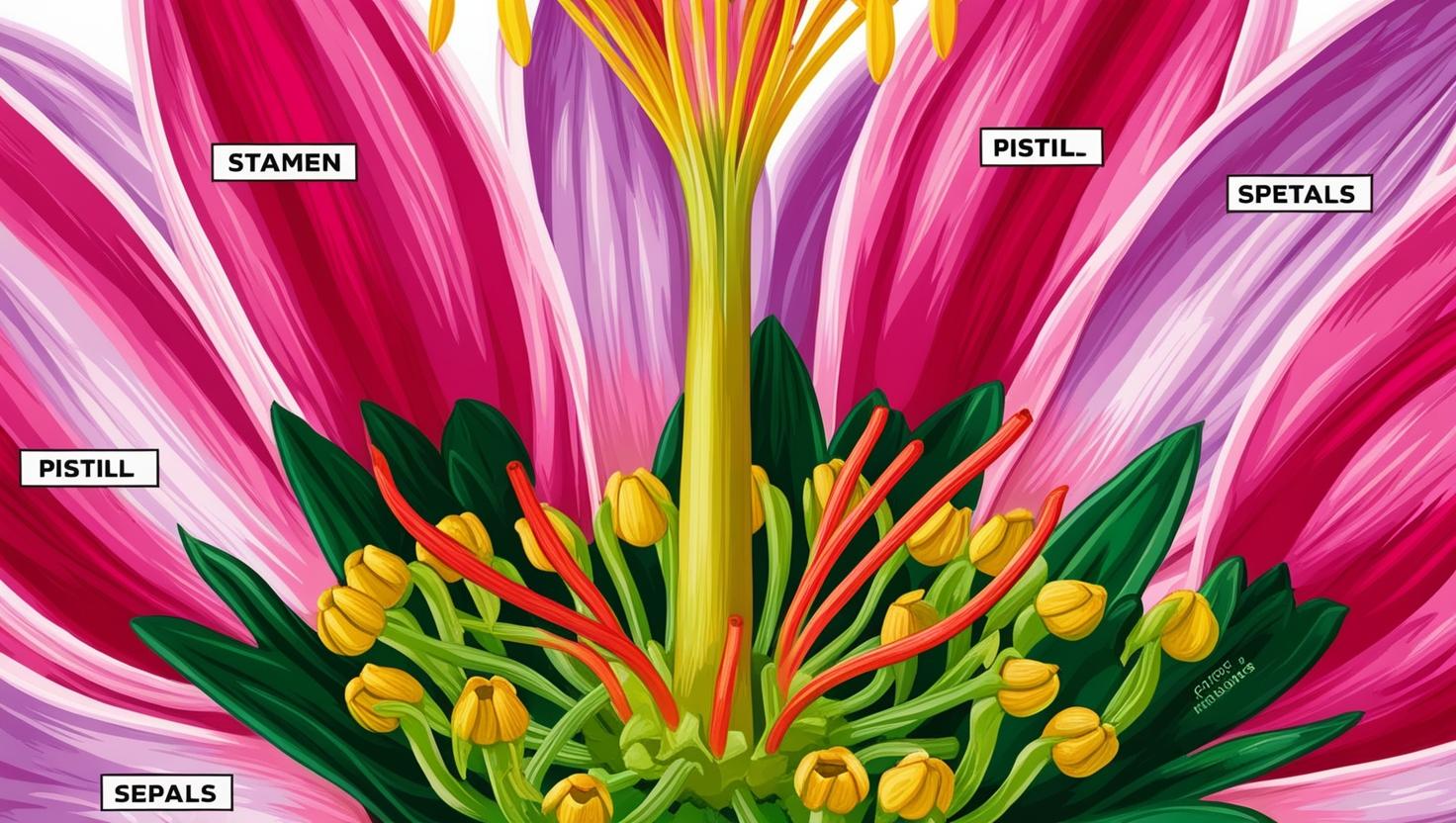
Our stars of the show are the flowering plants, or angiosperms. They're the life of the party, all dressed up in vibrant petals and sporting the most fascinating accessories:
The Male Crew (Stamens): These guys are the pollen producers, the ultimate party favors! Each stamen has an anther, the pollen factory, and a filament, its stylish support beam.
The Female Divas (Pistils): They're the VIPs, holding the ovules, the precious seeds-to-be. A pistil consists of the stigma (the sticky landing pad), the style (the runway), and the ovary (the seed vault).
Now, here's where the magic happens:
Pollination: The Matchmaking Game: Pollen, carried by the likes of buzzing bees, fluttering butterflies, or even the wind, lands on the stigma. It's like a botanical dating app, finding the perfect match!
Fertilization: The Seed Ceremony: The pollen grain sends a tube down the style to the ovary. One lucky sperm cell fuses with the egg in the ovule, creating a zygote. This is the botanical equivalent of "I do!"
Seed Development: The Tiny Treasure Chests: The ovule transforms into a seed, a mini-survival kit for a new plant. The ovary swells, becoming a fruit, a delicious package deal!
The Cone Zone!
Next, we have the gymnosperms, like pines and firs, throwing their own shindig in the "Cone Zone." They're a bit more low-key, but still know how to get the job done:
Cones: The Rustic Venues: These woody structures are where the action happens. Male cones release clouds of pollen, while female cones hold the ovules.
Wind Pollination: The Natural Delivery Service: Instead of relying on insects, these plants use the wind to carry pollen. It's like a botanical airmail system!
Naked Seeds: The Exposed Treasures: Gymnosperms produce "naked" seeds, meaning they're not enclosed in a fruit. It's like handing out the seeds in open boxes.
The Spore Spectacle!
Finally, we have the spore-producing plants, like ferns and mosses, hosting their own underground rave:
Spores: The Microscopic Movers: These tiny cells are like plant seeds, but they don't need fertilization. They're released from sporangia, little spore capsules.
Alternation of Generations: The Dual Identity: These plants have a unique life cycle, alternating between a spore-producing stage (sporophyte) and a gamete-producing stage (gametophyte). It's like having two plant personalities!
Water: The Essential Ingredient: Many spore-producing plants rely on water for sperm to swim to the egg. It's like a botanical swimming pool party!
Why This Matters: The Circle of Life (Plant Style)!
Plant reproduction is essential for:
Food: Fruits and seeds are vital food sources for humans and animals.
Oxygen: Plants produce the oxygen we breathe.
Biodiversity: Reproduction ensures the continuation of plant species, contributing to a healthy ecosystem.
New generations: Plant reproduction is literally how new life is created.
So, the next time you see a flower, cone, or fern, remember the incredible party happening behind the scenes. It's a botanical celebration of life, growth, and the amazing diversity of the plant kingdom!