
Exploring the Mysteries of the Indus-Valley Civilization: A Time-Travelling Adventure!
Imagine stepping into a time machine and traveling thousands of years back to a realm of busy cities, clever inventions, and a civilization on par with the ancient Egyptians and Mesopotamians! Buckle up, because we're about to embark on an exciting journey through the Indus-Valley also known as theIndus-Sarasvati Civilization, a forgotten realm as fascinating as any Indiana Jones film!
So, what exactly constitutes a civilization?
Before we enter the time warp, let's put on our archeologist hats! A civilization is more than just a collection of people living together. It must have a few important ingredients: a government to keep things in order, well-planned cities, skilled artisans, thriving trade, a mechanism to record things, a vibrant culture, and enough food to go around. Consider it like a recipe: omit one component, and you're left with a prehistoric stew!
From Village to Metropolis: The Rise of Harappans
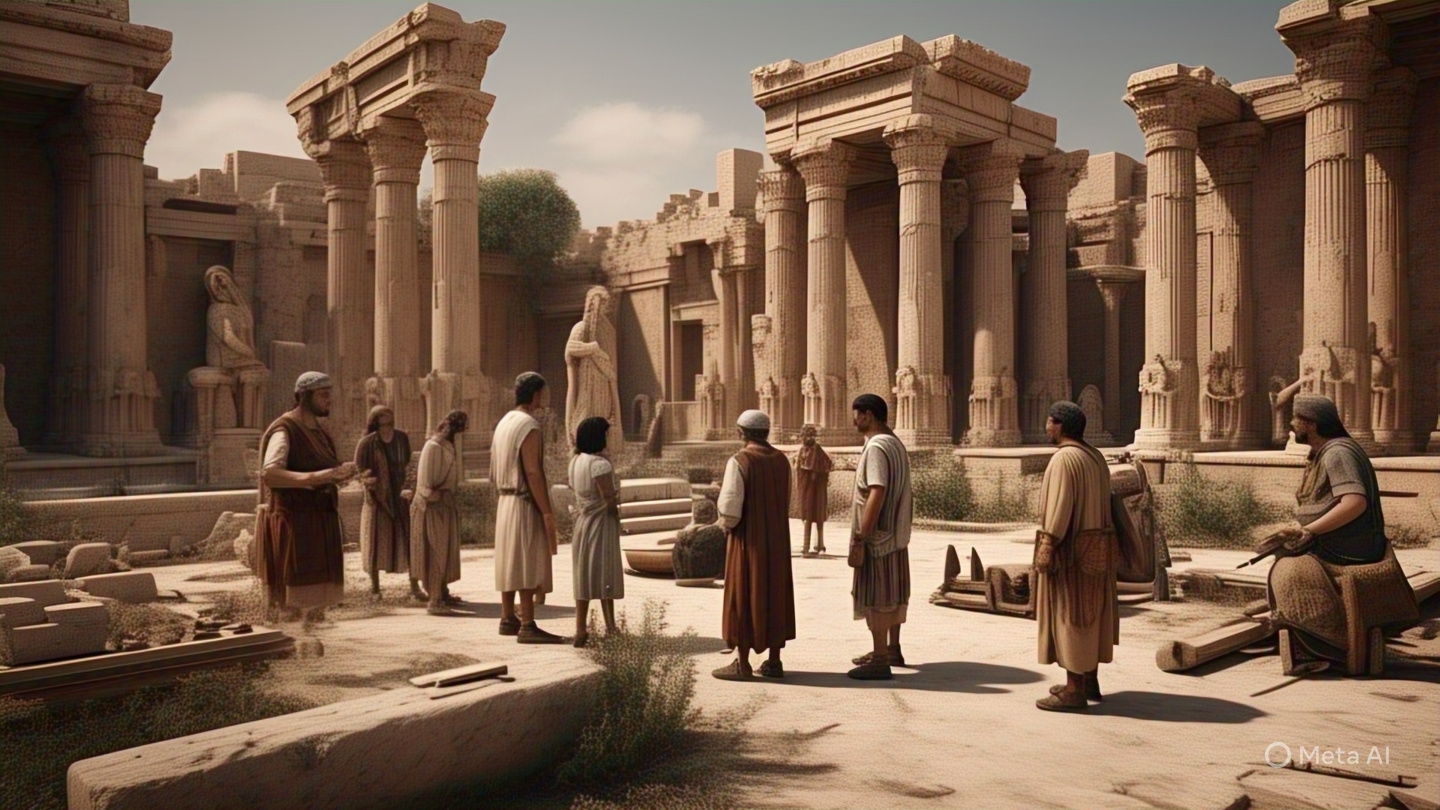
Consider this: modest agricultural communities snuggled beside the great Indus River and its tributaries, gradually evolving into busy towns as trade networks flourish. Move ahead a few centuries, and BAM! We have a fully developed civilization with cities that would put current urban planners to shame! These Harappan cities (called after the earliest excavated city, Harappa) resembled old metropolises, with broad avenues, high defenses, and even distinct districts for the wealthy and the less wealthy.
Plumbing and city planning: Way ahead of their time.
Forget about leaking faucets and blocked drains! The Harappans were experts in water management. Their cities had complex systems of reservoirs, wells, and sewers that would make any modern plumber proud. There was also a "Great Bath" at Mohenjo-daro; was it a royal swimming pool, a public spa, or a location for religious rituals? We may never know for sure, but it certainly stimulates the imagination!
Farmer, Trader, and Fashionista
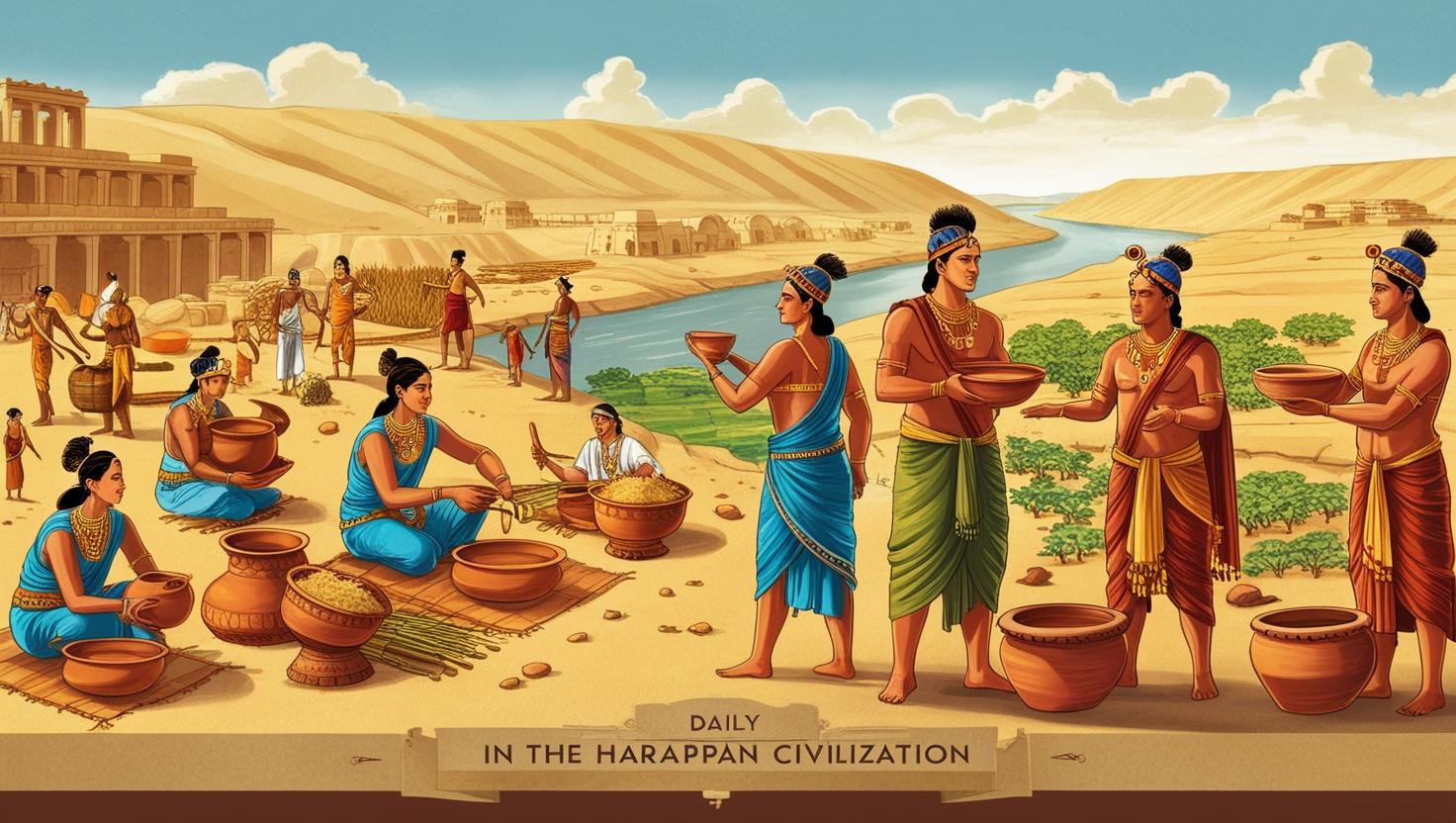
The Harappans were not merely city dwellers. They were also expert farmers, farming crops such as barley, wheat, and cotton (yep, they wore cotton clothing long before it was fashionable!). They tamed animals, fished for food, and sold their wares far and wide. We are discussing international trade here, guys! Their beautiful carnelian beads and shell bangles have been discovered as far apart as Iran and Oman!
The Vanishing Act: What Happened to the Harappans?
Unfortunately, even the greatest civilizations may fail. Around 1900 BCE, the Indus-Sarasvati Civilization started to fall. Was it climate change? Is the Sarasvati River drying up? Is there a mystery invasion? It's still a problem to be solved.
The legacy lives on.
The Harappan towns may be in ruins, but their legacy goes on. Their inventive ideas, superior technology, and rich culture made an indelible impression on the Indian subcontinent. So, the next time you see a cotton garment or admire a well-planned city, remember the Indus-Sarasvati Civilization - the forerunners who were far ahead of their time!