
Wet, Wild, and Wonderful: Diving into Earth's Oceans and Continents!
Hello Earthlings! Prepare to explore the vast blue and solid earth beneath our feet! This isn't your typical geography class; we're embarking on a journey to uncover the secrets of our planet's seas and continents!
Our Blue Planet: A Watery Wonderland.
Did you realize that Earth has more ocean than land? We have five vast oceans: Pacific, Atlantic, Indian, Arctic, and Southern. Imagine what stories those waves might tell!
Fun Fact: The Pacific Ocean is so large that it could include all of the other seas.
Experiment Time: Get a large bowl and some blue food coloring. Fill the bowl with blue-dyed water. Add some different-sized "continents"(you might use pieces of bread, crackers, or even playdough). This provides a little representation of Earth's water and land distribution. Look how much more "ocean" there is!
Land ahoy! The continents take center stage.
Now let's speak about continents! Depending on who you ask, there are four to seven continents. We'll go with seven: Africa, Antarctica, Asia, Australia, Europe, North America, and South America. Each is distinct, with its own breathtaking landscapes, cultures, and history.
Question: If continents could communicate, what stories would they tell?
North vs. South: A Watery Divide.
Here's an interesting fact: the Southern Hemisphere has far more water than the Northern Hemisphere. It appears like the Earth is somewhat skewed!
Oceans and continents: The Dynamic Duo.
Oceans and continents are not independent entities; they work together to form our planet. They influence our climate, affecting everything from the weather to the food we consume.
Marine Marvels: Life Below the Waves
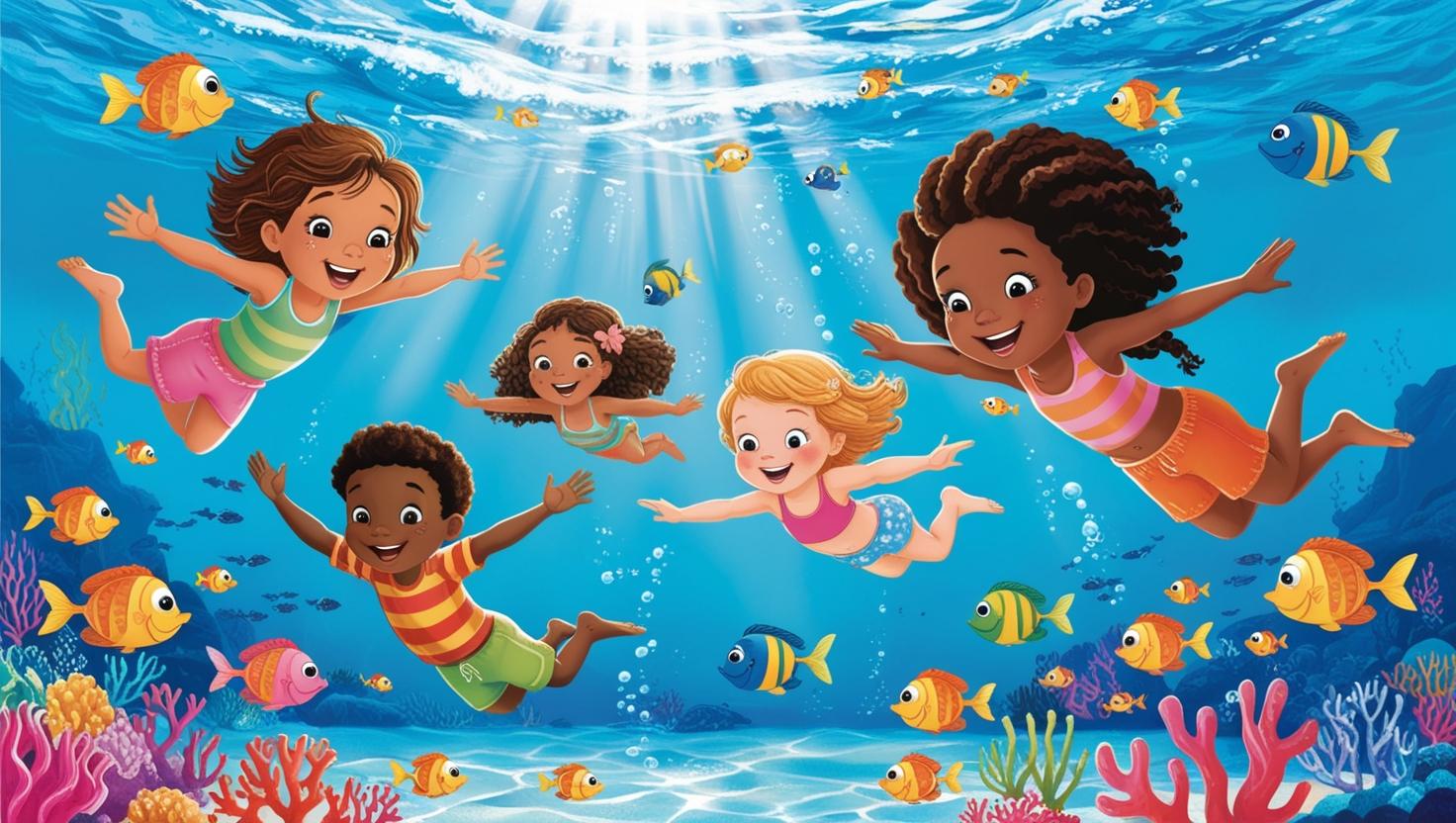
The ocean is full of life! From small plankton to massive whales, there is a whole undersea world waiting to be discovered.
Did You Know: Oceans produce over half the oxygen we breathe! They're like Earth's giant lungs!
Island Hopping: Tiny Lands, Big Stories
Islands are like small pearls sprinkled around the ocean. India alone includes more than 1,300 islands, including the Andaman and Nicobar Islands and Lakshadweep.
Experiment Time:Create your own "island" with your blue-dyed water bowl. What types of vegetation and animals could dwell on your island?
Oceans: Our Lifeline.
The oceans are important for life on Earth. They supply us with food, control our temperature, and even inspire our art and culture. They also cause violent storms and tsunamis, reminding us of nature's immense power.
Continents: Our Homes
Continents are where we construct houses, cultivate food, and form society. They set the scene for human history and serve as the foundation for our different civilizations.
The Big Picture: Connectedness
Oceans and continents are inextricably linked, impacting each other in innumerable ways. They are both essential components of our globe, and knowing them is critical to comprehending our environment.